Meet the Makers: Stories of Slovenian Artisans Preserving Heritage
Step inside sunlit workshops, mountain sheds, riverside studios, and salt-soaked huts as we meet the makers and share stories of Slovenian artisans preserving heritage through skill, patience, and heart. In Meet the Makers: Stories of Slovenian Artisans Preserving Heritage, we follow everyday guardians of memory who transform wood, wool, glass, clay, lace, and salt into living culture, inviting you to listen closely, ask questions, and carry their knowledge forward with respect and joy.
Lace From Idrija, Threaded With Patience
At a kitchen table polished by decades of elbows, a lace maker rolls bobbins like soft rain on a roof, counting patterns in her head while birds talk outside. She learned as a child, finishing homework by lamplight and knotting memories into every motif. Now she teaches neighbors, proving that precision, rhythm, and generosity can turn fragile threads into maps of endurance, hope, and quiet, everyday celebration.
Bled’s Pletna Boat Carvers
On the shore before the crowds arrive, a boatbuilder sharpens a chisel until it sings, checking grain lines like a reader studies poetry. Each pletna must balance weight, wind, and water, honoring techniques that flow through families. When oars finally dip, the lake mirrors alpine peaks and years of practice. Visitors imagine a ride; the maker imagines safety, strength, and the unbroken promise that hands can still read timber’s voice.
Guardians of the Sečovlje Salt Fields
In flats gridded like a patient notebook, salt farmers step carefully across petola, nursing delicate ecosystems that crystallize minerals and stories. Wooden rakes glide; brine whispers; sun rehearses its timeless choreography. A father shows his daughter how to judge the surface like bakers judge dough. Each harvest tastes of wind, patience, and stewardship, reminding us that a pinch of well-earned salt seasons not only meals but identities and communities.
Ribnica Turned Woodenware
In Ribnica, lathes spin like small planets, and bowls appear as if released from a knot’s secret. Makers select logs after listening for tension, then shape them to wick heat, accept soup, and age gracefully. They sand with patience, oil with stories, and carry stacks to markets where customers test balance with their palms. A wooden spoon from here does not stir; it converses, remembering kitchens and kind voices long after meals.
Black Clay of Prekmurje
Fired until darkness deepens to a soft, smoky velvet, the clay of Prekmurje becomes cookware that hums on stoves and sings at tables. Potters work with temperatures like chefs work with flavors, coaxing resilience without brittleness. The surface shows slight variations, proof that flames and hands negotiated honestly. When bean stews simmer and bread crust crackles, vessels prove that usefulness and beauty can share the same humble, hardworking body with dignity.
Bohinj Wool, Felt, and Warmth
High pastures gift fleece that carries mountain weather in every fiber. Carded, spun, and felted by people who know winter’s long conversation, Bohinj wool becomes socks, caps, blankets, and slippers that outlast trends. Dyers choose plant colors with care, aiming for hues that do not shout but stay. A grandmother repairs a heel while telling jokes about first snows, teaching that maintenance, not novelty, keeps households warm and hopeful.
Traditions Reimagined for Today
Preservation thrives when imagination is welcome. Many artisans collaborate with designers, chefs, engineers, historians, and students, remixing familiar forms without discarding their backbone. New dyes reduce waste, digital archives document patterns, and contemporary silhouettes carry old logic into surprising contexts. The result is neither nostalgia nor rupture, but a conversation where elders feel seen, newcomers feel invited, and objects serve real needs while honoring the unteachable tenderness at the craft’s core.
Rituals That Bind People
Beyond utility, objects carry ritual meaning that marks seasons, welcomes guests, and consoles grief. Makers shape masks, panels, and tableware not as props but as invitations to gather. In Slovenia, carnival, harvest, weddings, and winter vigils depend on skilled hands that know symbolism intimately. When a bell clangs or a pattern repeats, it is not decoration alone; it is choreography for courage, humor, protection, and neighborly responsibility that renews itself each year.
Sustainable Paths Forward
{{SECTION_SUBTITLE}}
Dye Gardens and Pollinators
Behind a studio, rows of weld, madder, and woad rustle with bees. Dyers clip responsibly, compost generously, and record color shifts like meteorologists of hue. Workshops explain mordants, safety, and soil care, inviting visitors to try swatches. Children leave with stained fingers and new respect for patient color. When a scarf fades gently rather than peeling harshly, it proves that living pigments can honor both wardrobe and meadow together.
Nothing Wasted in the Woodshop
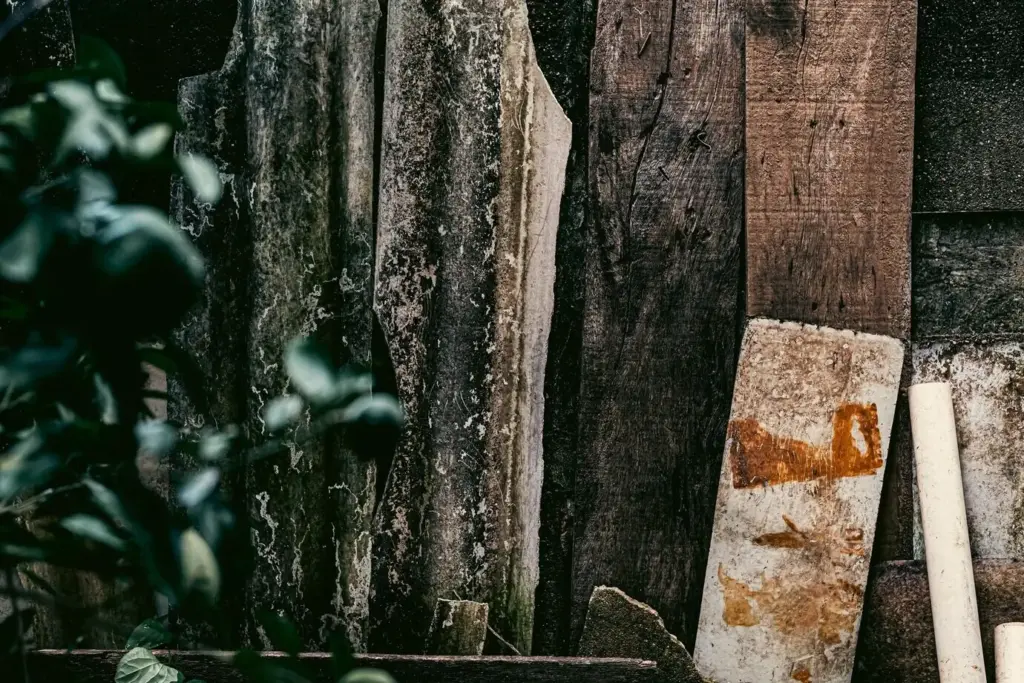
Shavings become fire starters, offcuts become toys, and sawdust becomes absorbent for messy jobs. Designers think in families of parts so leftovers find a future. Jigs are repaired, not trashed. Makers compare finishes that protect without poisoning. Customers learn maintenance rituals that keep furniture sturdy. The result is a circle where pride replaces clutter, and every scrap whispers that frugality is creativity in work clothes, saving forests by honoring every centimeter thoughtfully.

Plan Your Own Craft Trail Across Regions
Map a weekend route linking lace, wood, salt, and clay, then travel slowly enough to listen. Call ahead, respect hours, and bring a notebook. Buy one small item per stop, even if it is a sample. Ask whether apprenticeships or tours exist. Post your route so others can follow, creating momentum for workshops that depend on footfall and conversation just as much as electricity, rent, and reliable, caring local friendships.
Listen, Record, and Share Elders’ Know-How
Bring tea and a phone with permission, then ask elders about their first tools, proudest rescue, funniest mistake, and biggest lesson. Record carefully, transcribe respectfully, and return copies. Archive photos with names and dates. Share publicly only what they approve. These oral histories help communities remember methods and manners. When storms, moves, or market shifts arrive, stories become anchors, guiding younger hands to rebuild with humility, accuracy, and unbroken lines of gratitude.
All Rights Reserved.