
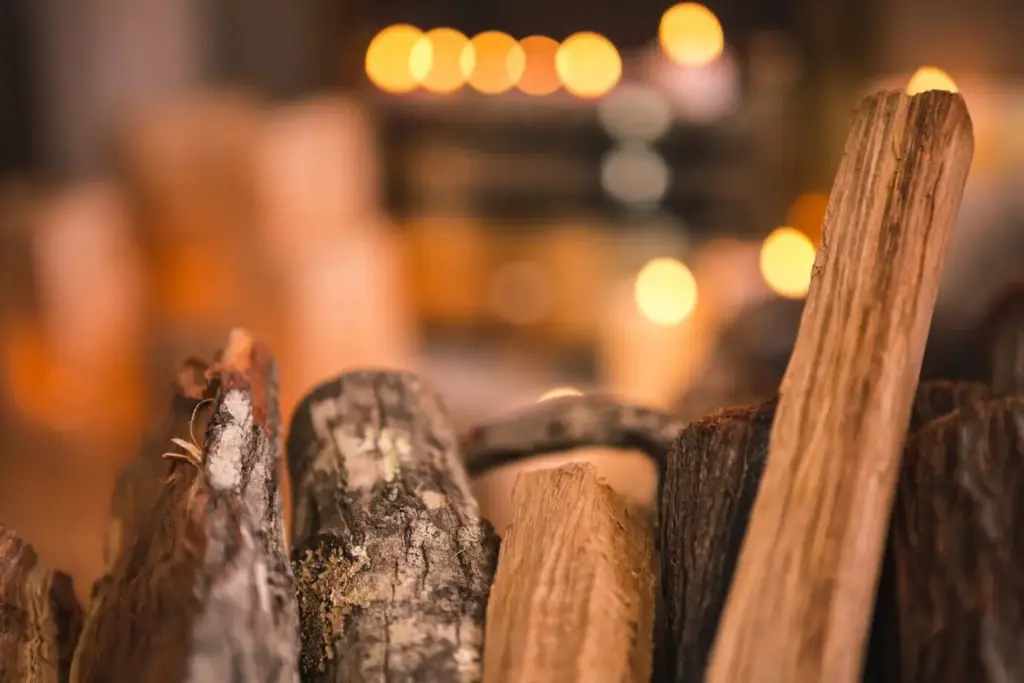
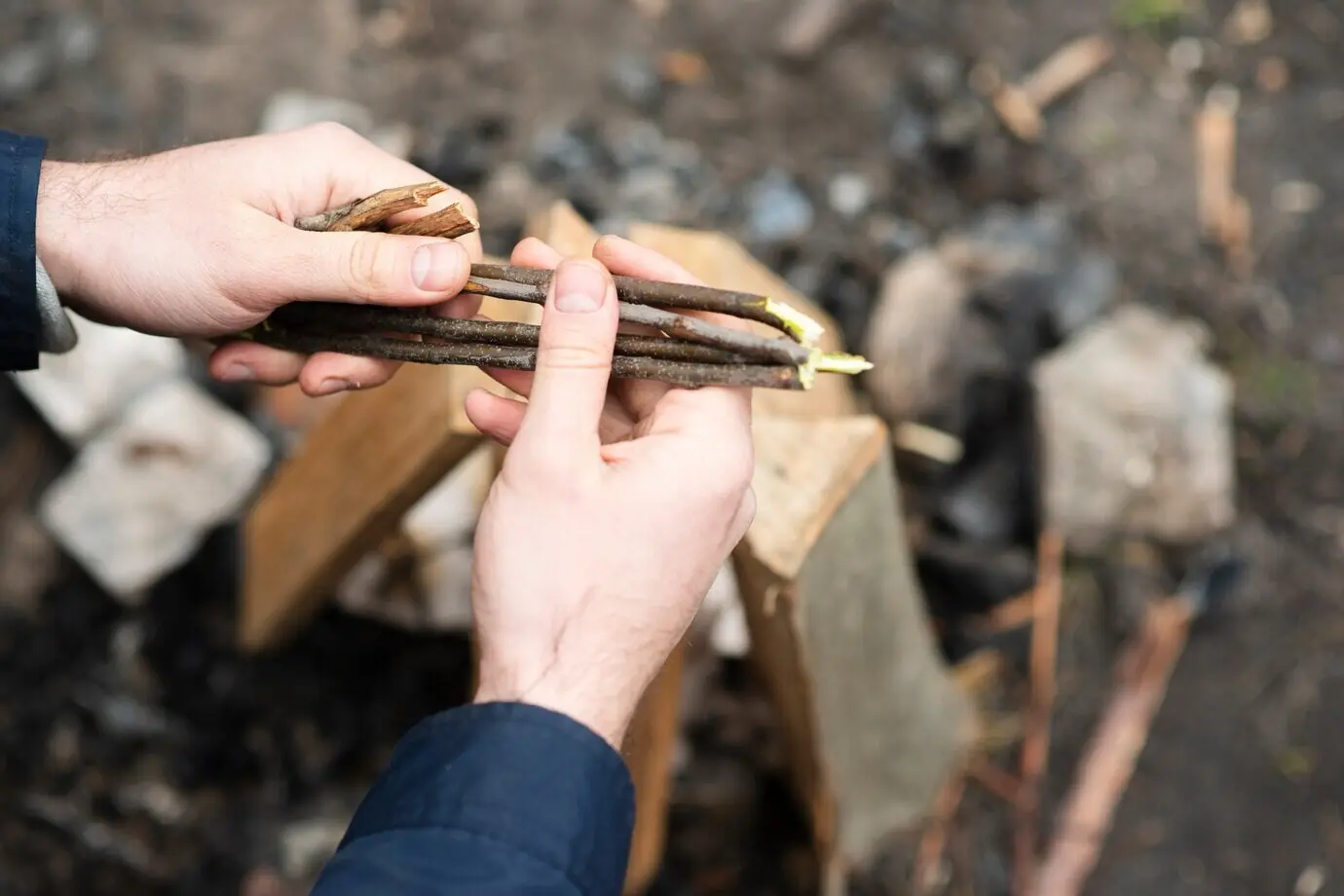
Rather than clear-cutting, many Slovenian foresters favor single-tree selection, horse logging in sensitive areas, and seasonal access to protect soils and waterways. This gentler approach preserves understory habitats, reduces erosion, and yields logs with stable moisture profiles. Makers benefit from reliable quality while forests continue their quiet work: sequestering carbon, sheltering wildlife, and anchoring rural livelihoods bound by care, restraint, and a long view that prizes future growth as much as present needs.
Beech warms interiors with subtle shimmer, oak brings noble durability, and spruce sings through ribbed panels and light frames. Many workshops cherish narratives tied to place: a Kočevje beech felled after a storm, a Pohorje oak reclaimed from a barn, a spruce board air-dried under eaves for seasons. Each species carries a regional cadence, allowing furniture to whisper of trail scents, mountain rainfall, and caretakers who knew every stand by footstep and birdsong.
Small sawmills near forest edges shorten transport, reduce emissions, and keep value local. Quarter-sawing for stability, careful stacking, and slow air-drying precede kiln cycles powered, when possible, by waste heat or biomass offcuts. Boards are graded not only for flawless surfaces but for expressive grain, accepting knots and mineral streaks as living signatures. The result is lumber prepared with patience, ready to become pieces that mature beautifully instead of merely resisting time.
Apprentices begin not with complex machinery but with sharpening stones, plane setup, and wood anatomy. Field days in mixed forests reveal why ring width matters and how to read windthrow. Pairing slow foundational learning with measured exposure to digital tools fosters confidence without fetishizing speed. Graduates leave fluent in both tradition and innovation, able to weigh environmental, social, and aesthetic considerations before making choices that echo through materials, households, and the long afterlife of well-built objects.
Shared mills and pooled purchasing power secure better prices for responsibly sourced logs and eco-finishes. Transparent costing helps customers see where money goes: to durable joinery, fair wages, and careful drying, not flashy packaging. By selling directly and coordinating deliveries, cooperatives trim emissions and middleman fees, returning value to craftspeople and buyers alike. Fair pricing underwrites time-intensive methods that protect forests and produce goods designed to be mended, not replaced at the first scuff or squeak.
Seasonal fairs bring makers, foresters, and families together. Demonstrations show steam-bending, shou sugi ban, and non-toxic finishing, while children carve spoons from storm-fallen branches. Talks unpack certifications and simple ways households can reduce waste. This lively exchange sustains demand for honest materials and celebrates repair culture as something festive, not dutiful. Attendees leave with objects and insights, promising to oil a tabletop, ask better questions, and share stories that keep responsible practices bright in memory.

Invite a conversation: Which forest district supplied the wood? How were boards dried, and at what target moisture? What adhesives and finishes were used, and why? Are parts replaceable and diagrams available? Makers who answer warmly tend to welcome accountability. These questions signal shared values, opening doors to custom tweaks, honest timelines, and care tips that keep your piece living gracefully rather than aging anxiously in silence behind polished, unhelpful marketing claims.

Most care is pleasantly ordinary: dry spills promptly, use trivets, refresh oil annually, and rotate sun-exposed pieces to balance color. Keep a small kit—fine sandpaper, oil, soft cloths, a few pegs—nearby. Document scratches with dates like travel stamps, then mend with ease. When something creaks or loosens, treat the sound as an invitation to reconnect, not a failure. Maintenance affirms attachment, ensuring your furniture stays woven into daily rituals rather than slipping toward neglect.
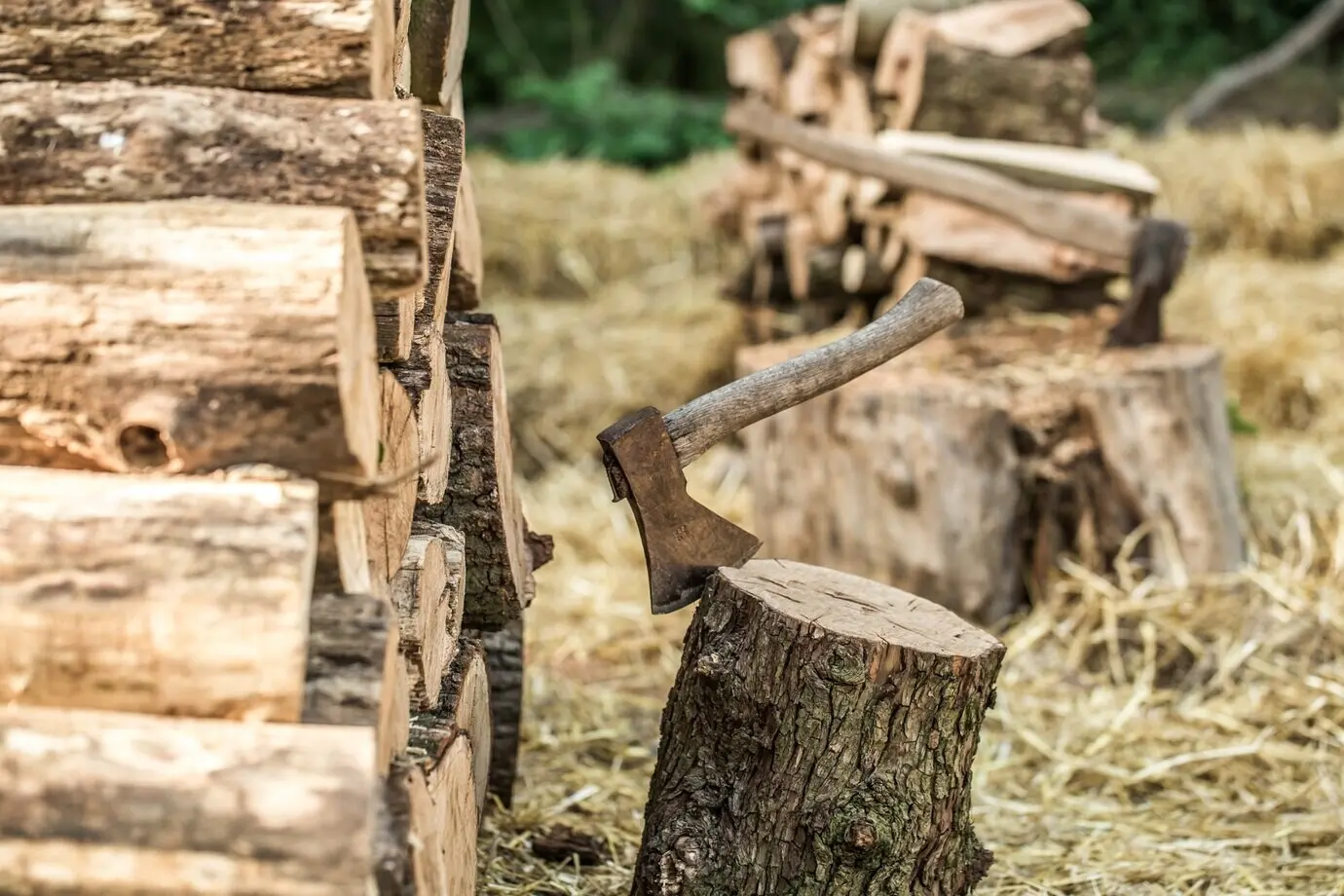
Share your experiences, questions, and repair victories with us and local makers. Comment on process photos, request behind-the-scenes glimpses, or suggest materials you are curious about. Subscribe for workshop visits, forest notes, and practical guides. Your participation shapes future stories, supports apprentices, and keeps responsible practices visible. Together we refine habits, celebrate evidence over hype, and build a gentle momentum where thoughtful craft becomes an everyday choice rather than an occasional indulgence.
All Rights Reserved.