Handmade Alliances Reviving Slovenia’s Countryside

Across green valleys, karst plateaus, and forested hills, makers are joining forces to rebuild prosperity with patience and pride. This page explores how craft collectives are revitalizing rural Slovenia’s economy, blending shared studios, cooperative sales, and cherished skills like Idrija lace, Ribnica woodenware, and village pottery into dignified work. Expect practical insights, warm stories, and invitations to visit workshops, collaborate on commissions, and support livelihoods that keep families rooted, landscapes cared for, and traditions confidently alive in a changing world.

Roots of Collaboration in the Countryside

Cooperation is not new here. From historic village zadruga traditions to guild memories and modern cooperatives, rural Slovenians have long pooled knowledge and labor when harvests, winters, or markets demanded it. Contemporary craft collectives carry that spirit forward, organizing shared tools, trainings, and storefronts. In Idrija, lace makers coordinate patterns and teaching schedules; in Ribnica, woodworkers synchronize fair dates and packaging. Instead of competing in isolation, neighbors swap skills, lower costs, and speak with one persuasive voice that reaches tourists, buyers, and cultural institutions far beyond the nearest parish bell.

Economic Ripples You Can See and Feel

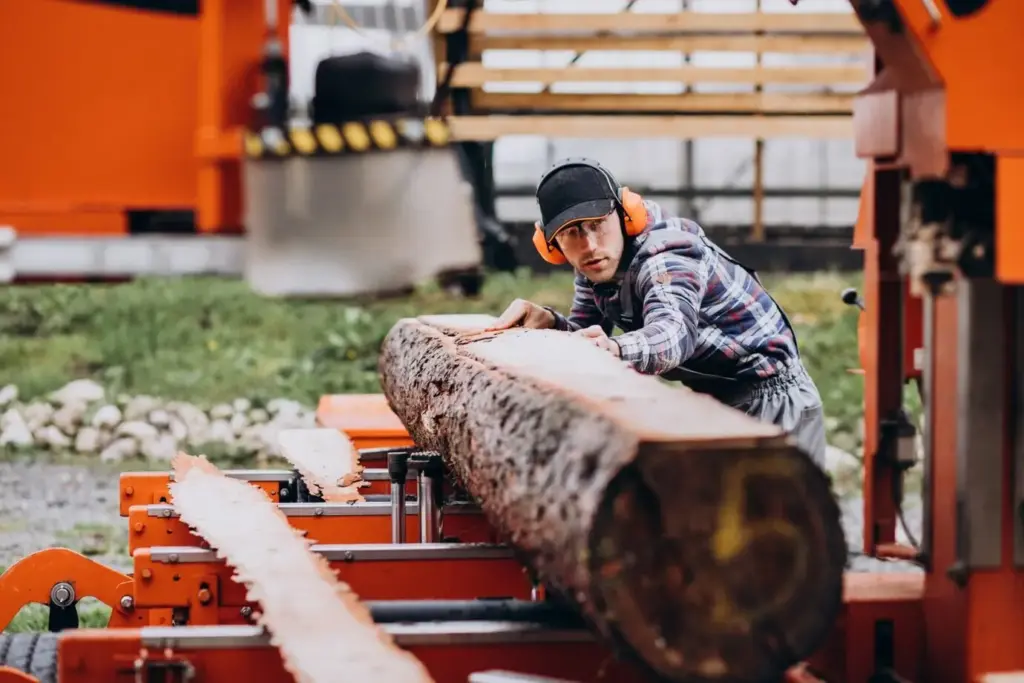
When artisans coordinate, the effect reaches well beyond a single sale. New orders keep sawmills busy, wool washed, threads dyed, and village cafés humming with lunchtime chatter. Visiting learners rent rooms, buy honey, and book guided walks after workshops. Collectives stabilize seasonal swings by mixing tourism with online sales and local contracts, cushioning families when weather or travel fluctuates. Money circulates locally through service trades, transport, and repairs, building a quiet safety net. Over time, empty barns reopen as studios, while closed storefronts glow again, stocked with goods made only a few lanes away.

Shared Tools, Bigger Possibilities

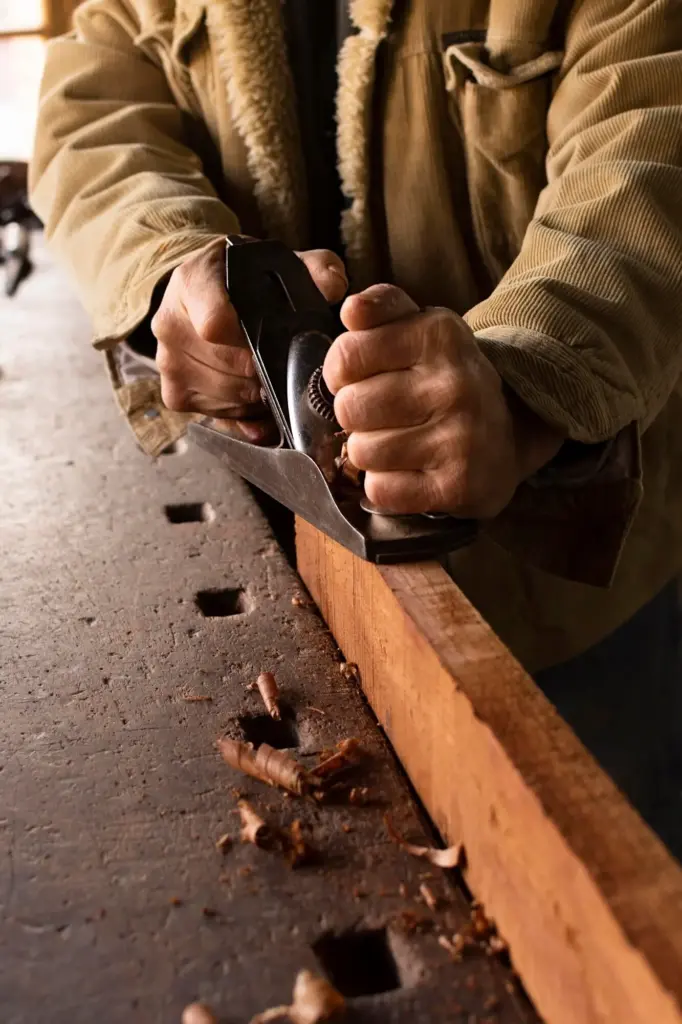
Equipment libraries turn individual dreams into collective capacity. A community-owned kiln, precision planer, or small CNC lets artisans prototype safely, iterate quickly, and accept custom commissions that once felt risky. Booking systems keep access fair, while caretakers manage maintenance and safety. Short trainings demystify intimidating machines, blending centuries-old hand skills with precise modern assists. The result is not mass production but dependable repeatability where it matters, freeing more time for finishing touches, local materials research, and collaborations that pair textiles with wood, or clay with natural fibers, in delightful, durable ways.

Selling from Mountain Hamlet to Global Doorstep

A calm, clear online presence invites city buyers and returning diaspora to support villages they love. Collectives curate cohesive catalogues, harmonize packaging, and publish honest dispatch dates. Flexible bundles—like lace kits, spoon sets, or workshop vouchers—travel well and tell stories in the unboxing. Partnerships with guesthouses create pick-up points, easing shipping costs for visiting customers. Meanwhile, newsletters explain restocks, introduce apprentices, and preview limited runs tied to regional festivities. Every digital touchpoint extends the welcoming tone of a studio visit, turning distant curiosity into repeat patronage and treasured word-of-mouth.

Content That Honors Hands and Wins Hearts

Photography shows more than objects: grain direction in beech, quiet fingerprints in glaze, the twinkle of a maker telling how their teacher corrected wrist angles with a smile. Short videos capture looms clicking, chisels whispering, bees crossing sunlight. Captions translate dialect terms without flattening them. Collectives create style guides to protect dignity—no exoticizing, no staged chaos—so authenticity feels warm, not messy. By treating each piece as narrative, customers understand fair prices, realistic timelines, and why small variations are not flaws but signatures, evidence of an attentive, human pace.

Culture, Identity, and Sustainable Making

Economic revival rests on respect for land and memory. Collectives prioritize local woods from responsibly managed forests, wool from small flocks, linen from regional suppliers, and safe finishes like beeswax or plant-based oils. Offcuts become buttons or toys; misfired ceramics inspire mosaic workshops. Storytelling links each object to festivals, songs, and seasonal labors, inviting buyers to care for items instead of discarding them. By tying livelihoods to stewardship and celebration, communities guard rivers and meadows while nurturing pride in accents, costumes, and skills that bind neighbors despite differing schedules, ages, and ambitions.

Measuring Impact and Building Resilience

Progress deserves honest mirrors. Collectives track simple indicators—apprentices onboarded, winter orders fulfilled, studio hours sustained without burnout, shops reopened, collaborations launched, and repairs instead of replacements. They note challenges, too: transport delays, input costs, shifting tourist flows. Regular check-ins turn data into learning, informing pricing, stock levels, and fair workload distribution. Contingency plans cover illness and family needs, while microgrants update equipment without debt strain. The goal is stability with room for joy, where steady income, community care, and creative risk-taking reinforce each other even when headlines turn stormy.
Spreadsheets can feel cold, but they warm when tied to stories. A line chart shows glaze success rates improving after kiln insulation; a simple tally tracks repairs requested by locals, signaling trust. Monthly huddles celebrate small wins—five new newsletter sign-ups, one museum inquiry, three joint prototypes. By tracking what the group can actually influence, discouragement fades. Numbers become lighthouses, not judges, guiding next steps: adjust bundle pricing, add beginner-friendly kits, or pause a design that overstretches capacity. Measured gently, progress invites participation rather than secrecy or shame.
Storms close roads, suppliers run short, and global news can hush travel overnight. Collectives rehearse alternatives: shared stock pools, interchangeable packaging, and clear customer updates. A buddy system covers orders if someone falls ill, while modest cash reserves bridge quiet weeks. Diversified channels—local patrons, regional boutiques, online preorders—spread risk without diluting identity. After disruptions, debriefs capture lessons quickly: which messages reassured buyers, which links broke, which products sold steadily regardless. Calm preparation does not invite fear; it grants the confidence to keep crafting when skies turn uncertain and grey.

Get Involved: Learn, Support, and Co‑Create

Revival thrives when many hands contribute. You can plan a countryside visit, enroll in a weekend class, commission a meaningful gift, or join a monthly newsletter that features new patterns, studio stories, and open days. Share photos, leave thoughtful reviews, and introduce a friend to a craft they have never tried. If you run a shop or gallery, reach out about small, steady orders that respect pacing. Every gesture signals belief in rural skill, turning appreciation into lasting opportunity for families who keep regions vibrant through work both humble and extraordinary.

01

Plan a Day Among Makers

Choose a village, then weave a route: a morning at the loom, lunch at a farmhouse, an afternoon carving under a walnut tree. Many studios welcome beginners and happily tailor sessions to families or friends. You will gain more than a souvenir—rhythms of attention, stories of materials, and a sense of place that no photo fully captures. Book ahead, travel gently, and linger respectfully. Your visit affirms that careful work matters, and your curiosity helps keep workshops warm through winter and hopeful when spring announces its bright, green return.

02

Commission with Conscience

Custom pieces carry shared intention. Bring dimensions, inspirations, and patience, allowing artisans to suggest woods, stitches, or glazes that suit your purpose and climate. Agree on fair timelines and deposits that fund materials without pressure. Celebrate variations born of hand and season, then ask for care tips so your item lives long, aging gracefully. Consider matching commissions for community spaces—schools, clinics, libraries—so craftsmanship improves everyday places. Each respectful commission strengthens mutual trust, funds apprenticeships, and proves that dignity and beauty belong not only to galleries but to kitchens, porches, and work-worn hands.

03

Join the Conversation and Stay Connected

Subscribe for studio notes, behind-the-scenes photos, and small releases that sell out quietly to attentive readers. Reply with questions, send encouragement, and suggest collaborations across borders or disciplines. If you are part of a diaspora community, share newsletters with relatives longing for a taste of home’s textures and sounds. Educators can invite makers to classrooms; journalists can spotlight process, not clichés. Your steady attention is fuel, reminding artisans that their stories land softly yet surely, guiding responsible growth and inviting others to slow down long enough to notice what truly endures.

Nilolumadarilentokira
Privacy Overview

This website uses cookies so that we can provide you with the best user experience possible. Cookie information is stored in your browser and performs functions such as recognising you when you return to our website and helping our team to understand which sections of the website you find most interesting and useful.